
Italy, a land of ancient ruins, rolling vineyards, and culinary masterpieces, is the ultimate destination for an unforgettable escape. From the romantic canals of Venice to the historic grandeur of Rome, the Amalfi Coast’s dramatic cliffs, and the Renaissance artistry of Florence, Italy offers a kaleidoscope of experiences. This 2,000-word travel guide, inspired by resources like Lonely Planet, Rick Steves, and Condé Nast Traveler, is designed to help you plan a dream Italian escape, blending iconic sights with hidden gems. It includes practical tips, cultural insights, and a detailed 7-day itinerary wrapped in an <xaiArtifact> tag for easy reference. Whether you’re a first-time visitor or a seasoned traveler, this guide will inspire your journey through Italy’s heart and soul.
Why Italy?
Italy’s allure lies in its diversity: each region boasts distinct landscapes, cuisines, and histories. Rome offers a time capsule of ancient wonders like the Colosseum and Pantheon, while Florence cradles the birthplace of the Renaissance. Venice’s canals and piazzas feel like a living painting, and the Amalfi Coast’s pastel villages defy gravity. Beyond the sights, Italy’s culture—its espresso-fueled mornings, leisurely pasta lunches, and passionate locals—creates an immersive experience. This guide focuses on a classic itinerary covering Rome, Florence, Venice, and the Amalfi Coast, with tips to customize your escape.
Planning Your Italian Escape
Before diving into the itinerary, here are key considerations to ensure a seamless trip:
- Best Time to Visit:
- Spring (April–May): Mild weather, blooming landscapes, and fewer crowds make this ideal for sightseeing. Expect average highs of 60–70°F.
- Fall (September–October): Similar to spring, with vibrant harvests in Tuscany and lower hotel rates. Perfect for wine lovers.
- Summer (June–August): Peak season brings warm weather (80–90°F) and crowds, especially in Rome and Venice. Book accommodations 6–12 months in advance.
- Winter (November–March): Cooler (40–55°F) and quieter, ideal for budget travelers, though some Amalfi Coast businesses close.
- Getting There:
- Airports: Rome’s Fiumicino (FCO) and Milan’s Malpensa (MXP) are major hubs. Venice (VCE) and Naples (NAP, for Amalfi) are convenient for regional flights.
- Flights: Direct flights from the U.S. to Rome or Milan take 8–10 hours. Budget carriers like Ryanair connect Italian cities for as low as $30 one-way.
- Getting Around:
- Trains: Italy’s high-speed trains (Trenitalia’s Frecciarossa or Italo) link Rome, Florence, and Venice efficiently (e.g., Rome to Florence in 1.5 hours, €30–€60). Book early for discounts.
- Amalfi Coast: Ferries, buses, or private drivers navigate the winding roads. Renting a car is possible but challenging due to narrow streets and parking.
- Tip: Use the Trenitalia app for real-time schedules and tickets. Validate regional train tickets before boarding.
- Where to Stay:
- Rome: Stay in the Centro Storico (near the Pantheon) for walkability. Boutique hotels like Hotel Artemide offer charm ($150–$300/night).
- Florence: Oltrarno neighborhood has authentic vibes and affordable B&Bs ($100–$200/night).
- Venice: Cannaregio or San Marco offer proximity to sights. Hotels like Hotel Antiche Figure start at $120/night.
- Amalfi Coast: Positano or Amalfi hotels (e.g., Hotel Santa Caterina, $300+/night) are pricey but stunning. Consider Praiano for budget options ($100–$200/night).
- Tip: Book 6–12 months ahead for summer, especially on the Amalfi Coast.
- Budget Tips:
- Entrance Fees: Major sights cost €10–€20 (e.g., Colosseum €16, Uffizi €12). Combo passes like the Roma Pass (€32) save money.
- Dining: Opt for trattorias over touristy restaurants. A plate of carbonara in Rome costs €8–€12; pizza in Naples, €5–€10.
- Free Activities: Explore Rome’s piazzas, Venice’s canals, or Florence’s street markets at no cost.
- What to Pack:
- Comfortable walking shoes for cobblestone streets, lightweight clothing for summer, and a scarf for churches (required for shoulders/knees).
- A reusable water bottle, power adapter (Type L), and a small daypack for excursions.
- Tip: Download offline maps (e.g., Google Maps) for areas with spotty Wi-Fi.
Must-See Highlights by Destination
- Rome:
- Colosseum: Marvel at this 2,000-year-old amphitheater. Book skip-the-line tickets (€16) to avoid long queues.
- Roman Forum and Palatine Hill: Wander ancient ruins for a glimpse of Roman life. Included in Colosseum tickets.
- Pantheon: This perfectly preserved temple, with its oculus dome, is free to enter.
- Piazza Navona and Trevi Fountain: Iconic squares for people-watching and coin-tossing (bring €1 for the fountain wish).
- Vatican City: Visit St. Peter’s Basilica (free, but €6 for the dome climb) and the Sistine Chapel (€17, book ahead).
- Tip: Dress modestly for the Vatican (no shorts or bare shoulders).
- Florence:
- Uffizi Gallery: Home to Botticelli’s Birth of Venus and other Renaissance masterpieces. Book timed-entry tickets (€12).
- Florence Cathedral (Duomo): Climb Brunelleschi’s dome (€20, reservation required) for city views.
- Ponte Vecchio: This medieval bridge, lined with jewelry shops, is a must-stroll.
- Piazzale Michelangelo: A short hike or bus ride offers panoramic views, especially at sunset.
- Tip: Try bistecca alla fiorentina (Tuscan steak) at a local trattoria like Trattoria Mario.
- Venice:
- St. Mark’s Square and Basilica: Admire the golden mosaics (free entry, €3 for upper museum). Climb the Campanile (€8) for views.
- Doge’s Palace: Explore Venetian history (€25, includes Bridge of Sighs).
- Grand Canal: Take a vaporetto (water bus, €7.50) or splurge on a gondola ride (€80–€120).
- Murano and Burano: Day-trip to these islands for glassblowing and colorful houses (€10–€15 by vaporetto).
- Tip: Get lost in Venice’s narrow streets—Cannaregio and Dorsoduro are less crowded.
- Amalfi Coast:
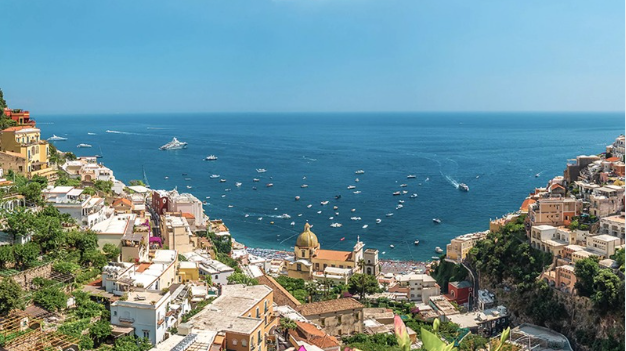
- Positano: Stroll pastel-colored streets and relax on Spiaggia Grande. Book a boat tour (€50–€100) for coastal views.
- Amalfi: Visit the 9th-century Amalfi Cathedral (€3) and explore paper-making history at the Paper Museum.
- Ravello: Known for Villa Rufolo and Villa Cimbrone’s gardens (€7 each), offering breathtaking views.
- Path of the Gods: A 4-mile hike from Bomerano to Nocelle with cliffside vistas (moderate, bring water).
- Tip: Use ferries to avoid crowded buses; schedules are online at Travelmar.it.
Cultural and Culinary Highlights
Italy’s culture is as rich as its landscapes. Expect leisurely meals, animated conversations, and a deep respect for tradition. Coffee is a ritual—order a cappuccino only in the morning, and stick to espresso after noon. Pasta dishes like cacio e pepe (Rome), tagliatelle al ragù (Florence), or seafood linguine (Amalfi) are regional staples. Gelato is a daily treat; look for artisanal shops like Gelateria La Carraia in Florence or Gelateria Nico in Venice.
Respect local customs: greet with “buongiorno” (morning) or “buonasera” (evening), and tip modestly (5–10% if service isn’t included). Italy’s history, from Roman emperors to Renaissance artists, is woven into every city. Guided tours (e.g., Walks of Italy, €50–€100) offer context for sites like the Colosseum or Uffizi.
7-Day Itinerary: The Ultimate Italian Escape
This 7-day itinerary covers Rome, Florence, Venice, and the Amalfi Coast, balancing iconic sights with immersive experiences. It assumes arrival in Rome and departure from Naples, with high-speed trains and ferries for transport.