
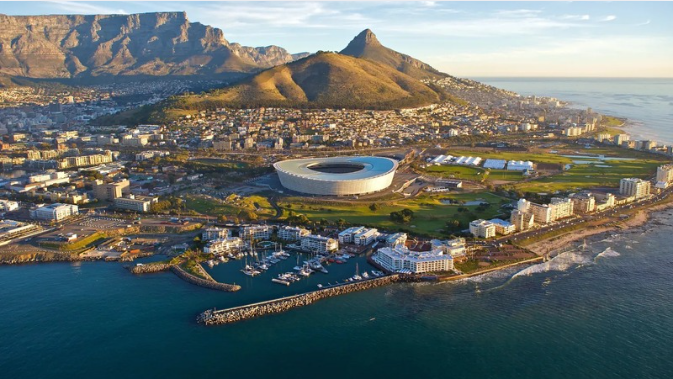
The travel and tourism sector in South Africa has emerged as a cornerstone of economic recovery and job creation, particularly in the post-COVID-19 era. According to the World Travel & Tourism Council (WTTC), the sector is expected to support 1.9 million jobs in 2025, accounting for 11.3% of all jobs in the country. This figure surpasses the 2019 peak, marking a significant recovery from the pandemic-induced downturn that saw global tourism employment drop to 295 million in 2022. The sector’s ability to rebound and exceed previous benchmarks reflects its adaptability and South Africa’s appeal as a premier travel destination.
tourism has been a key driver of this employment growth. In 2025, domestic visitor spending is forecast to reach ZAR 445 billion, a 3.8% increase over 2019 levels, demonstrating remarkable resilience. This growth is fueled by targeted marketing campaigns and tailored travel packages designed to appeal to middle- and high-income South Africans. In 2023, domestic tourism alone accounted for 38 million trips, generating ZAR 121 billion in spending, and this trend has continued to strengthen. The focus on domestic travelers has not only sustained the sector during periods of reduced international arrivals but also created jobs across hospitality, transport, and tour operations.
International tourism, while recovering, has also contributed to job creation. In 2024, South Africa welcomed 8.9 million international tourists, a 5.1% increase from 2023, with 96.9% arriving for leisure purposes. The African continent, particularly Southern African Development Community (SADC) nations like Zimbabwe, accounted for 76% of arrivals, while key overseas markets such as the United States, the United Kingdom, and Germany showed steady growth. Strategic partnerships, such as visa waivers with countries like Ghana and increased air connectivity with Brazil, have bolstered arrivals, supporting jobs in airlines, hotels, and tourism services.
The sector’s employment growth spans diverse roles, from front-of-house positions in hotels and restaurants to commercial roles in marketing, logistics, and management. Small and medium enterprises (SMEs), particularly those offering authentic cultural experiences, have seen rising demand in international markets like the United States, where African American travelers seek unique, community-based tourism. This diversity in job creation highlights tourism’s role as a broad-based economic driver, offering opportunities for both skilled and unskilled workers.
Economic and Social Impacts
Tourism’s economic contributions extend beyond employment. In 2023, the sector contributed 8.2% to South Africa’s GDP, a figure projected to rise to 8.9% (ZAR 659.8 billion) in 2025 and 10.4% by 2030. While this growth is significant, it remains 3.4% below the 2019 peak, indicating that the sector is still in recovery mode. Foreign direct spend by tourists reached a high of ZAR 95 billion in 2023, surpassing pre-pandemic levels, and is expected to grow to ZAR 128.4 billion in 2025, though it still trails 2019 figures by ZAR 37.7 billion. These figures underscore tourism’s potential to drive economic growth, particularly in a country grappling with high unemployment rates, which stood at 32.9% in 2024.
Socially, tourism fosters cultural exchange and community development. The sector’s emphasis on sustainable and cultural tourism, including eco-tourism and heritage-based experiences, creates opportunities for local communities to showcase their traditions and generate income. For example, partnerships between organizations like the Small Tourism Enterprise Association (STEA) and institutions like Tshwane University of Technology provide internships and training, empowering young South Africans to enter the industry. These initiatives not only create jobs but also promote social inclusion by integrating previously disadvantaged groups into the economic mainstream.
Moreover, tourism supports gender equity and youth employment. The sector employs a significant number of women and young people in roles ranging from tour guides to hospitality staff. By 2035, WTTC projects that tourism could support 2.6 million jobs, representing 13.8% of the national workforce, further amplifying its social impact. This growth aligns with the United Nations’ Sustainable Development Goals (SDGs), particularly SDG 8, which emphasizes decent work and economic growth.
Key Challenges Facing the Sector
Despite its achievements, South Africa’s tourism industry faces significant challenges that could impede its long-term growth. These include economic, infrastructural, and operational hurdles that require strategic interventions.
- Lagging International Visitor Spending: While domestic spending is robust, international visitor spending remains below pre-pandemic levels. In 2025, international spending is projected at ZAR 128.4 billion, a ZAR 37.7 billion shortfall compared to 2019. This lag is attributed to slower recovery in key markets like China and the United States, as well as global economic uncertainties. The slower return of international tourists compared to the global average highlights the need for enhanced marketing and air connectivity to compete with destinations like the Middle East, which saw a 20% increase in arrivals above 2019 levels in 2023.
- Skills Shortages: The industry faces a critical shortage of skilled workers, particularly in middle management. The post-COVID recovery has increased demand for committed, qualified professionals, but training programs have not kept pace. Employers report challenges in finding reliable staff, and existing workers are under pressure due to staffing gaps. Initiatives like the STEA’s partnerships with universities are promising, but scaling these efforts is essential to meet the projected demand for 2.23 million jobs by 2030.
- Infrastructure and Air Connectivity: Inconsistent air connectivity remains a barrier to growth. While efforts like the Route Development Marketing Strategy, approved by Cabinet in December 2024, aim to restore key routes and increase airline partnerships, progress is slow. Visa processing backlogs, particularly for markets like India, further deter international visitors. Infrastructure challenges, such as unreliable energy generation and bureaucratic hurdles, also increase operational costs for tourism businesses, limiting their ability to scale and create jobs.
- Safety and Security Concerns: Safety remains a significant concern for tourists. High crime rates in certain areas deter visitors, particularly from long-haul markets. Addressing these concerns requires collaboration between the tourism sector, government, and law enforcement to ensure safe travel experiences.
- Sustainability and Over-Tourism: As tourism grows, so does the need for sustainable practices. Over-tourism in popular destinations like Cape Town and Kruger National Park strains resources and ecosystems. The sector must balance growth with environmental preservation, leveraging South Africa’s natural and cultural assets without depleting them.
Strategies for Sustained Growth
To capitalize on the projected employment growth and address these challenges, South Africa must adopt a multi-faceted approach. The following strategies, informed by industry leaders and government initiatives, offer a roadmap for sustainable development.
- Enhancing Air Connectivity: The Route Development Marketing Strategy is a critical step toward improving air access. Partnerships with airlines to restore routes and introduce new ones, particularly to high-growth markets like China, India, and the Americas, will boost international arrivals. The visa waiver with Ghana, which led to a 149% increase in arrivals in 2024, serves as a model for simplifying travel requirements. Streamlining visa processing for markets like India will further enhance competitiveness.
- Investing in Skills Development: Addressing the skills shortage requires expanding training programs and partnerships with educational institutions. The STEA’s internship programs and planned job search workshops are positive steps, but government and private sector collaboration must scale these efforts. Investing in digital skills, such as AI-powered travel planning, will also prepare workers for the industry’s digital transformation.
- Promoting Sustainable Tourism: South Africa’s rich cultural and natural heritage offers opportunities for sustainable tourism. Marketing campaigns should highlight eco-tourism and community-based experiences, particularly in underserved regions. The WTTC’s collaboration with the South African government to integrate tourism into the 2025 G20 agenda provides a platform to promote sustainable practices globally.
- Strengthening Public-Private Partnerships: The WTTC emphasizes the importance of public-private partnerships to drive growth. Collaboration between the Department of Tourism, South African Tourism, and private stakeholders can address infrastructure challenges and enhance marketing efforts. Minister Patricia de Lille’s leadership in promoting tourism as an economic driver is a positive signal, but sustained investment is needed.
- Leveraging Digital Transformation: The industry is poised for a digital revolution, with 45% of travel businesses already offering trip management apps. Investing in AI, big data, and mobile platforms will enhance traveler experiences and streamline operations. For example, personalized digital platforms can attract tech-savvy tourists, while AI-driven marketing can target high-value markets.
- Addressing Safety Concerns: Improving safety requires coordinated efforts to enhance security in tourist areas and communicate these improvements to potential visitors. Transparent safety campaigns and partnerships with local communities can rebuild confidence in South Africa as a safe destination.
Future Outlook
Looking ahead, South Africa’s tourism sector is on a promising trajectory. Projections indicate that by 2030, international arrivals could reach 15.1 million, with employment growing to 2.23 million and potentially reaching 2.6 million by 2035. The sector’s GDP contribution is expected to climb to 10.4% by 2030 and 10.3% by 2035, reinforcing its role as an economic powerhouse. Achieving these goals depends on addressing the challenges outlined above through strategic investments and policy reforms.
South Africa’s G20 Presidency in 2025 offers a unique opportunity to elevate tourism on the global stage. By prioritizing the sector in international discussions, the government can attract investment and promote South Africa as a must-visit destination. Collaboration with organizations like the WTTC and South African Tourism will be crucial to sustaining momentum.
Conclusion
South Africa’s travel and tourism sector is at a pivotal moment, with record-breaking employment in 2025 signaling its resilience and potential. The industry’s ability to create jobs, drive economic growth, and foster social inclusion underscores its importance to the nation. However, challenges such as lagging international spending, skills shortages, and infrastructure constraints require urgent attention. By investing in air connectivity, skills development, sustainable practices, and digital transformation, South Africa can ensure that its tourism sector not only reaches new heights but also sustains them for future generations. The road ahead is challenging, but with strategic leadership and collaboration, South Africa’s tourism industry is poised to become a global leader in economic and social transformation.